The wondering was always the job
Thaumazein, a 20p late fee, what quietly kills wonder in engineering teams, and how Sophie's World ends.
Every entry in this series has circled the same moment. Today I want to give it a name.
what if the most important thing you do as an engineer happens before you type a single line?
the itch, again
You stare at a working piece of code and feel bothered. There’s no bug. No failing test. It works, and something still isn’t right.
You get the itch. You ask why. And underneath that why there are stakes: the feeling that the answer actually matters.
That capacity, to stop and feel bothered and ask why before you touch the keyboard, has a name. The ancient Greeks called it thaumazein. Wonder. Aristotle said philosophy begins right there: the moment you stop asking how and start asking why.
Not how do I optimise this? But why does it bother me that it works?
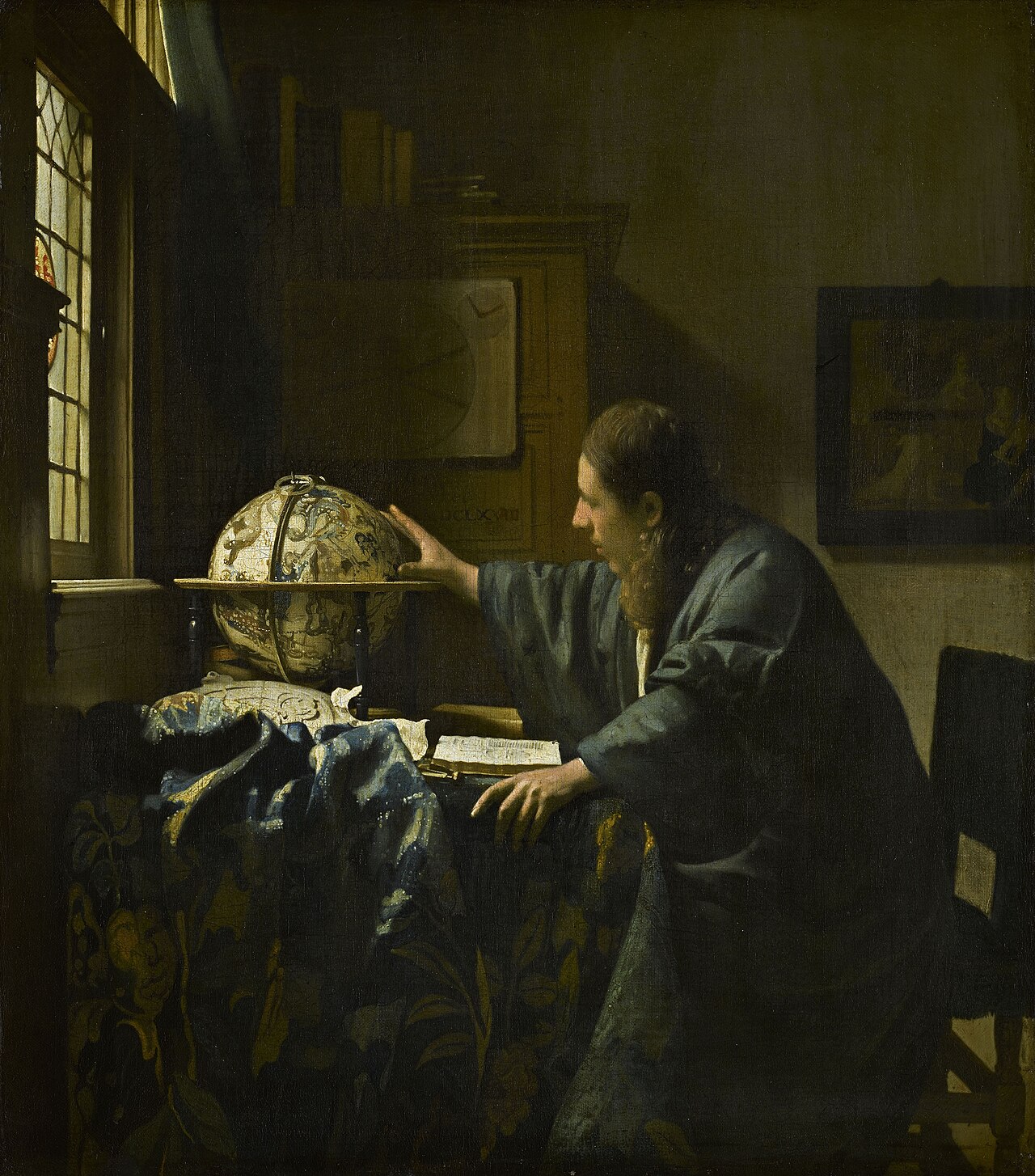 The Astronomer. Johannes Vermeer, c. 1668. A hand on the globe, a question in the air.
a 20p question
def calculate_late_fee(loan)
  days_late = (Date.today - loan.due_date).to_i
  (days_late * 0.20).round(2)
end
It works. Tests pass. The how is fully answered.
But someone stops. Not because something is broken, but because something feels off. Why per day? Why 20p? Who decided that? And is this quietly punishing the people who can least afford to return things on time?
That pause isn’t a distraction from the work. It isn’t scope creep. That pause is thaumazein.
And it might not produce a code change at all. It might produce a conversation. A policy review. A question someone finally says out loud, in the room where it needed to be said.
wonder is fragile
Now think about the developer who never pauses. Who closes tickets, ships clean code, hits every sprint target, and never asks why the ticket exists in the first place.
That’s not a bad developer. That’s a developer whose wonder has been used up. Or crowded out. Or, and this is the uncomfortable one, systematically discouraged.
Because here’s what kills thaumazein: velocity. Story points. The pressure to ship. Reviews that ask what you changed but never why. Standups that measure output and never question direction.
Wonder isn’t just beautiful. It’s fragile. And most engineering cultures are wearing it down by accident. Not out of malice, just momentum.
What grows it looks different. The code review that leaves a question instead of a correction. The PR comment that says I understand what this does, help me understand why we need it. The team that treats the why as part of the work, not an obstacle to it.
Thaumazein isn’t a personality trait. It’s a practice. It can be built, or it can be eroded.
and then AI arrived
I build AI products for a living now, and I think about this a lot. AI has permanently raised the floor on how. If your value as an engineer is typing speed, that race is already over.
But AI doesn’t stare at working code and feel bothered. It doesn’t get the itch. It has no stakes in the answer. The why isn’t a feature you can prompt for.
So AI isn’t the end of the engineering mindset. It’s revealing what was true all along, back when typing was the bottleneck and we could pretend otherwise.
one word for all four acts
Every part of this series has been about the same moment: the pause before the action.
- Plato called it Eros: the soul noticing that what it sees isn’t quite the form it remembers.
- Aristotle called it phronesis: stopping to ask what this thing is actually for.
- Kant made it the condition for knowledge: a thinking person has to be present before understanding can happen at all.
The Greeks had one word that holds all of it: thaumazein.
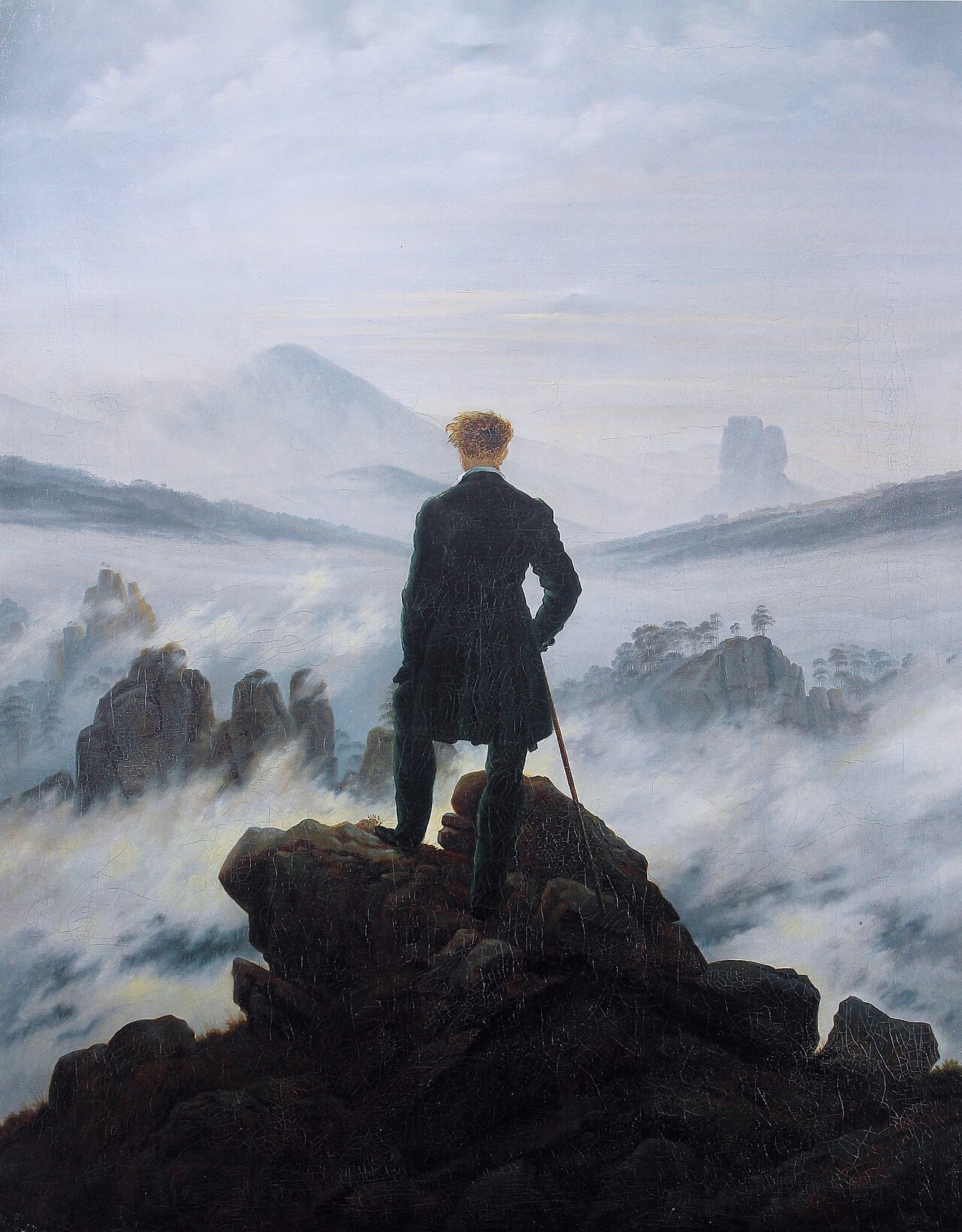 Wanderer above the Sea of Fog. Caspar David Friedrich, c. 1818.
The wondering was always the job.
The code was always just the residue.
spoiler alert
I promised I’d tell you how Sophie’s World ends.
At the end of the book, Sophie makes a shocking discovery. She wasn’t just a girl learning about philosophy. She was a character inside a book that someone had written as a gift for someone else.
She wasn’t reading about philosophy. She was philosophy happening.
You came here for a blog post. But somewhere in these four entries, maybe a question arrived that you didn’t ask for. You didn’t go looking for it. You never do.
Tomorrow you’ll open a PR. Something will bother you. You won’t be able to help it. You’ll ask why.
Just like a fourteen-year-old girl who found a note in her mailbox one day.
We are philosophy happening.